
The roads, the jail, the budget. County races decide them.
County judge and commissioner races shape daily life more than almost anything else on the ballot, and they are decided by the few voters who make it that far down. We find them precinct by precinct.
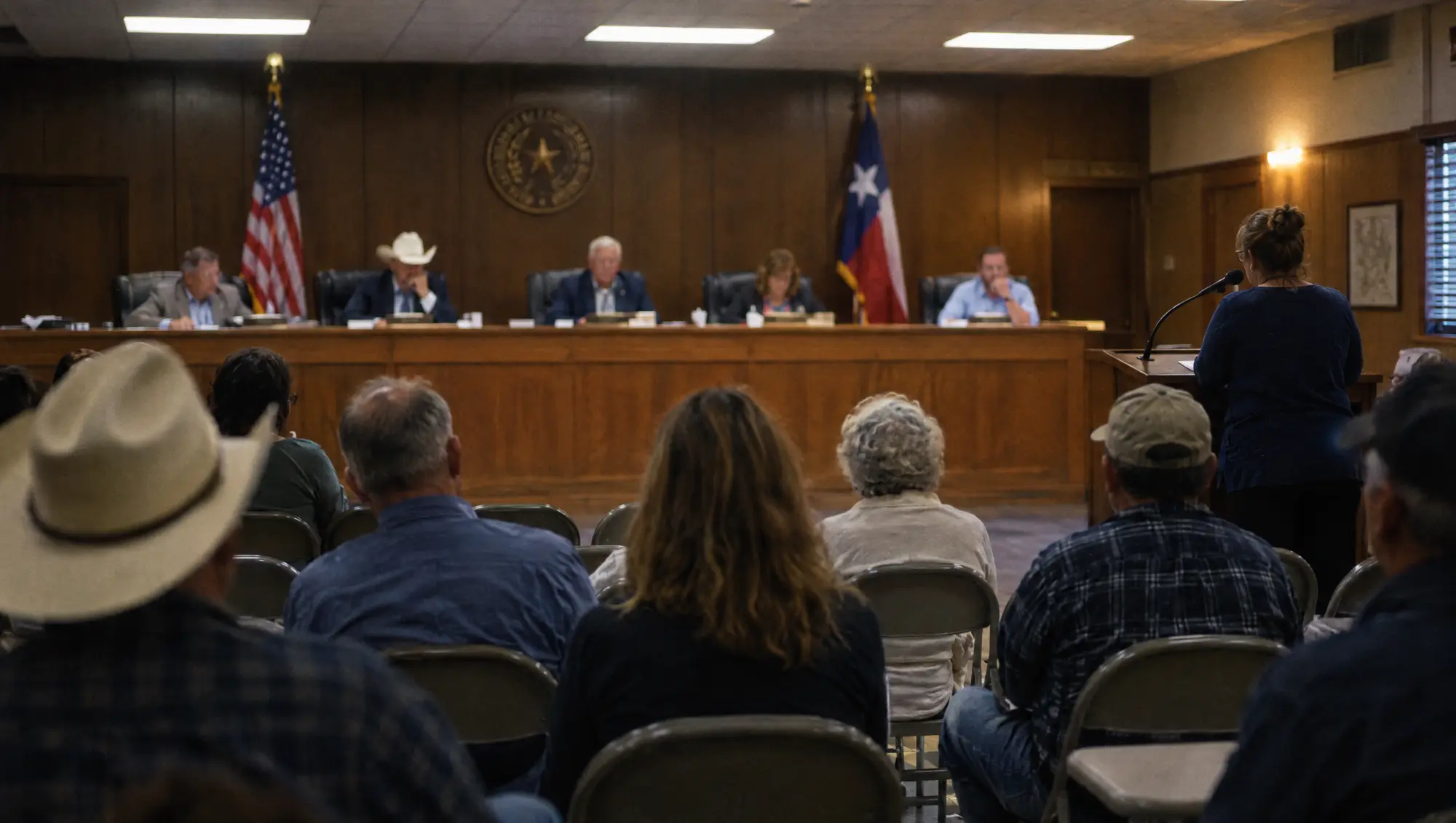
How do you win a county commissioner or county judge race?
Know exactly who votes in your precinct's primary and general elections, tie your campaign to the local issues those voters live with, like roads, drainage and growth, and turn out your supporters. URSA builds the precinct universe in Culper from the voter file and county property data, then reaches those households with streaming TV, mail, outdoor and peer-to-peer texting.
What Makes County Races Different
Texas counties are run by a commissioners court: a county judge elected countywide and four commissioners each elected from a precinct. Alongside them voters elect the sheriff, constables, justices of the peace, county and district clerks, the tax assessor-collector, the county attorney and the treasurer.
Most of these are partisan offices. In much of Texas the real contest is the March primary, and sometimes the May runoff, where turnout is a fraction of November's. A commissioner precinct can be decided by a few thousand primary voters.
Since Texas ended straight ticket voting in 2020, every voter has to mark every race individually. Down ballot candidates can no longer count on the top of the ticket to carry them. Voters need to know your name before they reach it.
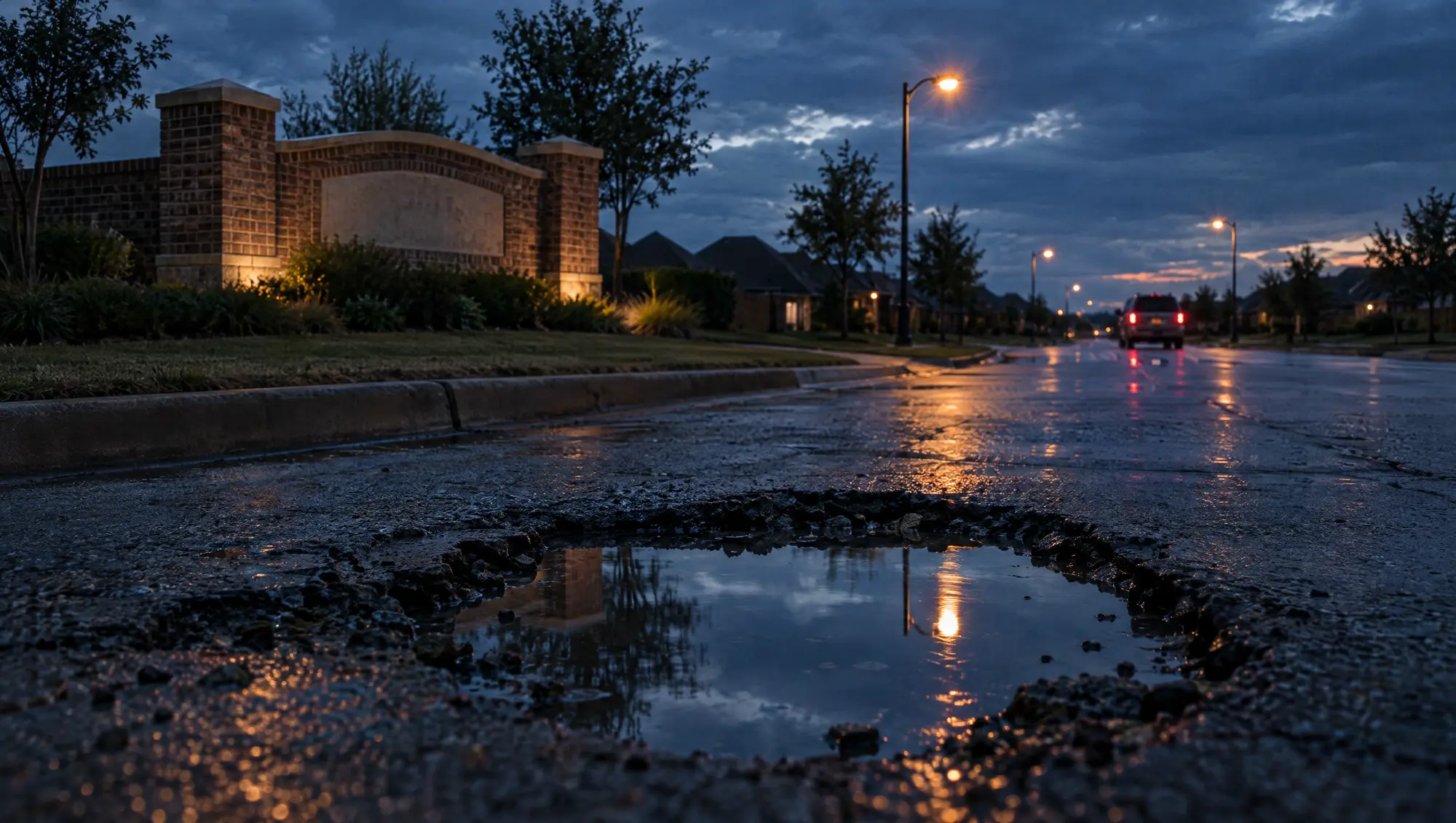
Commissioners own the roads.
Which means every pothole, every flooded ditch and every missing turn lane in the precinct is a campaign issue. Micro-targeting
County Offices We Campaign For
County judge
The presiding officer of the commissioners court and the county's chief executive, elected countywide.
County commissioner
One of four precinct seats that set the budget, the tax rate and road and bridge priorities.
Sheriff and constable
Law enforcement offices where trust, experience and response matter most to voters.
Justice of the peace
Precinct judges who handle small claims, evictions, truancy and traffic. See judicial elections.
Clerks and tax assessor-collector
Offices voters touch every year, from records to vehicle registration to property taxes.
County attorney and treasurer
Offices with low name recognition where a clear, trusted message goes furthest.
How We Run a County Campaign
Draw the precinct
Commissioner and JP precincts rarely follow city lines. We build the exact boundary in Culper and match every voter inside it.
Find the primary voters
Vote history shows who votes in March primaries and May runoffs. That is the universe for most county races.
Find the issues by subdivision
Roads, drainage, growth and response times, mapped from block walks, P2P conversations and commissioners court agendas.
Build name recognition inside the lines
Streaming TV and strategic outdoor inside the precinct only.
Turn out supporters
Persuasion scripts on Culper P2P and a daily early vote scrub.
County Campaign Work

Daniel Wong Campaign Video
Local County Politics in Fort Bend County, Texas

Daniel Wong Campaign
Long form campaign video for Daniel Wong.
What does a Texas county commissioner do?
County commissioners, together with the county judge, form the commissioners court. They adopt the county budget and tax rate and oversee roads and bridges, county facilities and many county services. Each commissioner is elected from one of four precincts.
When are county elections held in Texas?
County offices are partisan. Candidates run in the March primary of even numbered years, with a May runoff if no one wins a majority, and the winners meet in the November general election.
Does Texas still have straight ticket voting?
No. Texas eliminated straight ticket voting starting with the 2020 election. Voters must mark each race individually, which makes name recognition more important for down ballot candidates.
How small a district can URSA target?
Down to a single subdivision or road. Commissioner, constable and JP precincts are built in Culper from the voter file and county parcel data, so every channel stays inside the lines.
Keep reading.
- Judicial ElectionsURSA runs campaigns for district judges, county court at law judges, justices of the peace and judicial slates, building name recognition and trust in races where voters know the least.
- Micro-TargetingURSA finds the issues voters feel at the end of their own street, like the pothole, the carpool line and the road where people dump pets, and targets those households with messages that drive them to vote.
- CandidatesFor first time and returning candidates for city, county, judicial, school board, state and federal office: name recognition, a reason to vote close to home, and the turnout to win.
Your victory starts here.
Tell us where you are running or what is on your ballot. We will show you who decides it, what moves them, and what it costs to reach them.
Schedule a Consultation