
Find voters on their phones, at the game, on the night it matters.
Digital advertising works for a local campaign when it is matched to real voters inside the district, placed where they gather, and stopped when they vote.
What is geofencing in political advertising?
Geofencing serves digital ads to mobile devices inside a defined area, such as a stadium, a church festival or a community meeting, during a set time. URSA uses it to reach engaged residents at district events, alongside Meta, search and programmatic ads matched to the campaign's voter universe in Culper and scrubbed daily during early voting.
Digital Channels We Run
Meta (Facebook and Instagram)
Custom audiences matched from the campaign's voter universe, with creative by audience and the platform's political ad authorization handled.
Search
Ads for the questions voters type when they finally look up what is on the ballot, like the proposition name, the candidate or the district.
Programmatic display and video
Household and audience targeted display and pre roll across websites and apps, sharing the streaming TV audience.
Geofencing
Ads to devices at district athletic events, festivals, church gatherings and public meetings, where the most engaged residents already are.
Retargeting
Follow up ads to people who visited the campaign's landing page or tax calculator.
Social growth
Organic content and community building, so paid ads land on a page voters already recognize.
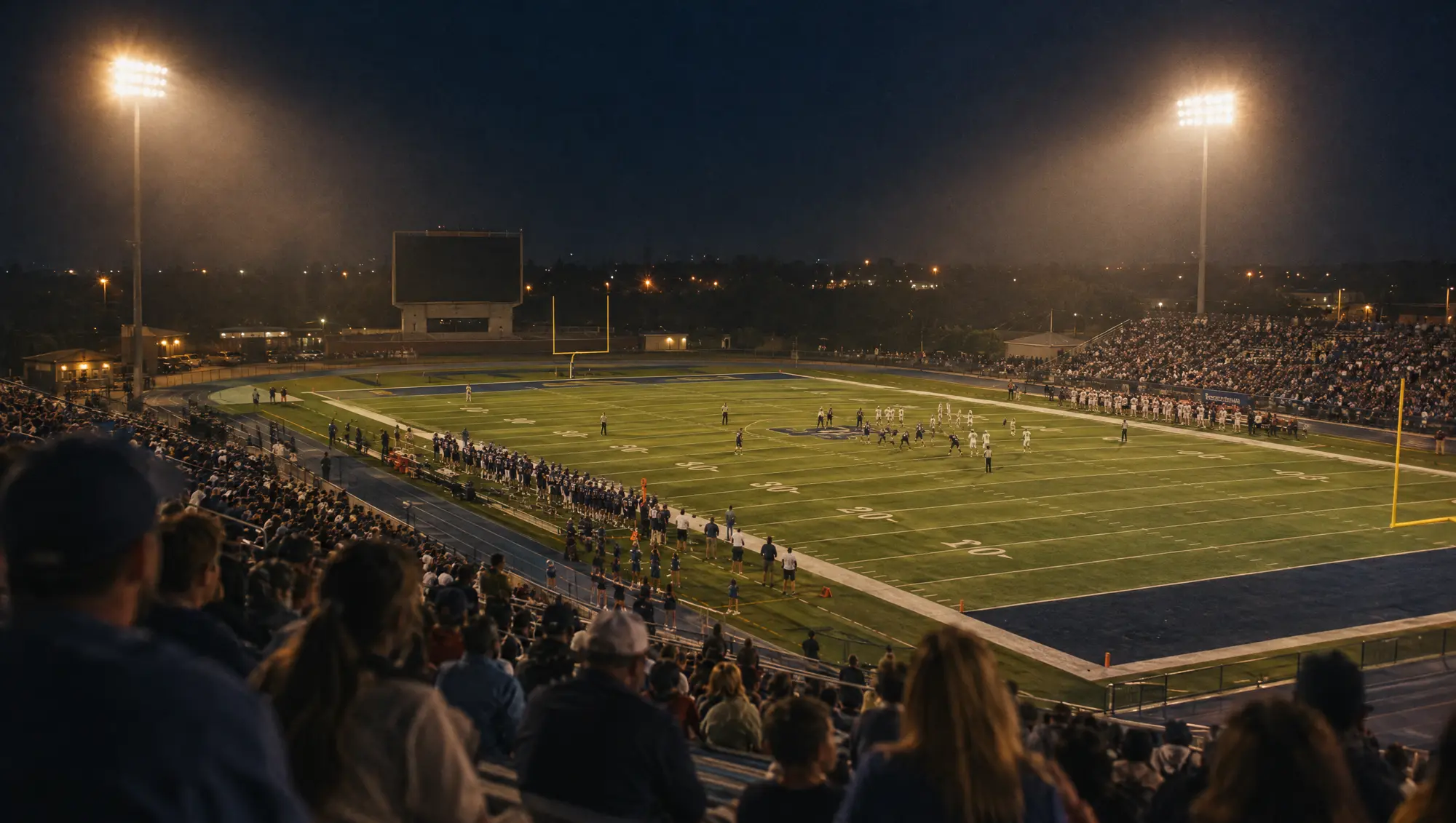
Friday night is a district event.
In a school bond or tax rate election, the home football game draws parents, alumni, teachers and neighbors from across the district, all in one place, all at once.
A geofence around the stadium for the length of the game reaches those devices with the campaign's message, and retargeting can follow up during early voting. The same idea works for festivals, church events and town hall meetings.
Built to the Platforms' Political Rules
Every major platform has its own rules for political and issue ads. Many require advertiser verification and a "paid for by" disclaimer, and some limit which targeting options political advertisers can use. We set up each account to meet those rules before anything runs, and plan targeting around what each platform allows.
Every ad also carries the political advertising disclosure required for the race.
Is geofencing allowed for political ads?
Location based targeting is widely used in political advertising, subject to each ad platform's policies and applicable law. Campaigns should target places and times, not sensitive locations, and follow platform rules.
Can political ads on Facebook target a voter list?
Meta allows authorized political advertisers to use custom audiences built from their own lists, subject to its political ad policies and verification. Other platforms, such as Google, limit political ad targeting to broader options like geography, age and gender.
How do you stop digital ads to people who already voted?
Each morning during early voting, Culper matches the county's roster of voters who have voted to the campaign's audiences and removes them, so spending moves to people who have not voted.
Keep reading.
- Streaming TVConnected TV puts a campaign ad on the living room TV of the exact voters who decide a race. URSA pairs streaming TV with CAD data, voter history, L2 and i360 to reach them without waste.
- School District Bond ElectionsURSA runs campaigns for and against Texas school district bond propositions and tax rate elections, with property tax calculators, CAD based targeting, senior tax ceiling messaging and daily early vote scrubs.
- Voter Data and TargetingURSA builds every campaign universe from the voter file and vote history, county appraisal district parcel data, licensed L2 and i360 data and daily early vote rosters, resolved in Culper into one record per voter.
Your victory starts here.
Tell us where you are running or what is on your ballot. We will show you who decides it, what moves them, and what it costs to reach them.
Schedule a Consultation