
Tell voters the facts. Clearly, fairly, and early enough to matter.
When a district or county puts a measure on the ballot, voters deserve to know what it is, what it funds and when to vote. We build that information, and keep it strictly factual.
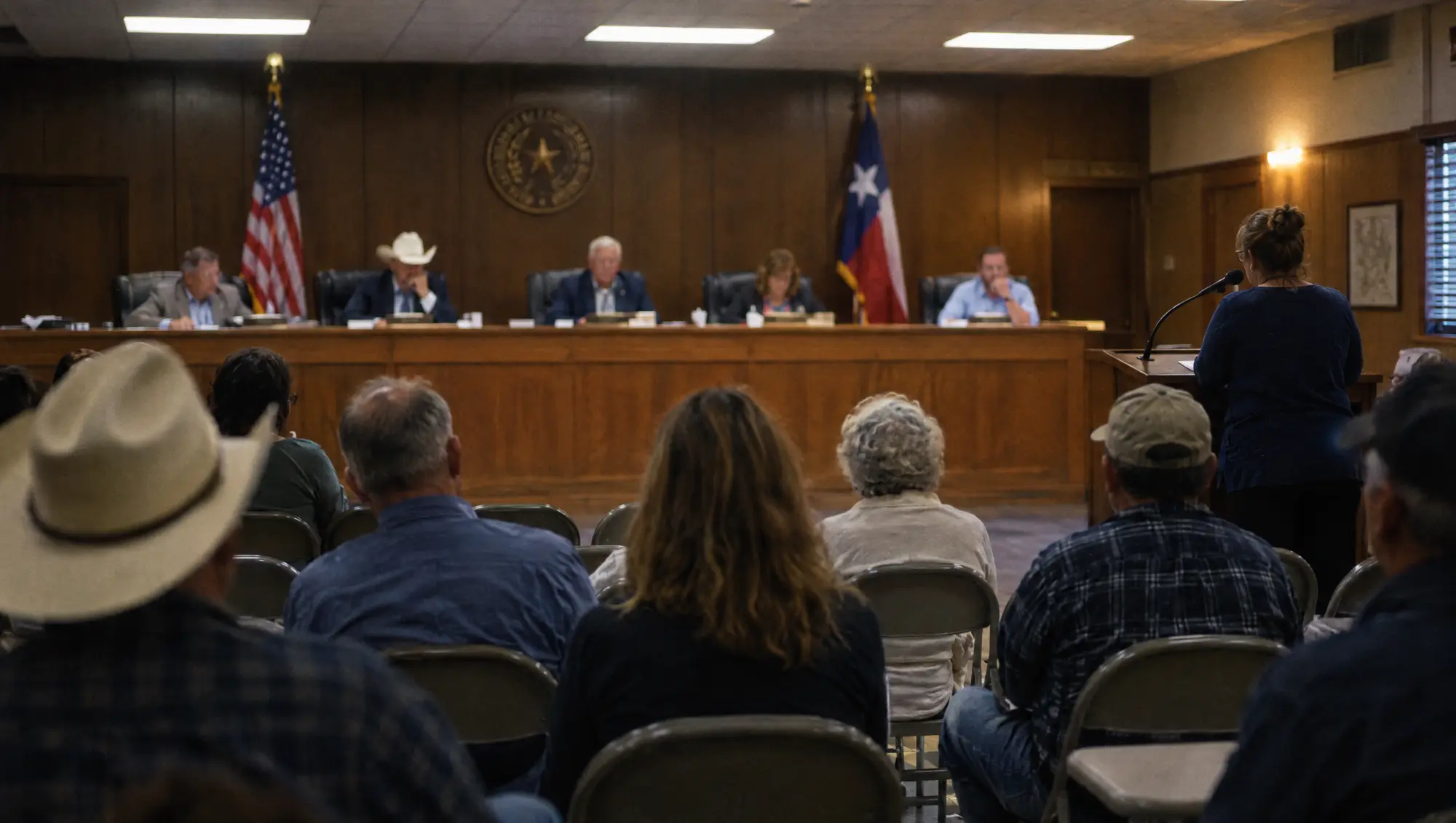
Can a public entity pay for communication about its own election?
Yes, for factual information. Texas Election Code Section 255.003 bars a political subdivision from spending public funds on political advertising, but allows communications that factually describe the purpose of a measure without advocating for or against it. URSA produces that kind of voter education for ESDs, counties, County Assistance Districts and school districts.
Information Versus Advocacy
What a public entity can say
- What is on the ballot, in the ballot's own words.
- What the measure would fund, under state law and the entity's own plans.
- What it would cost, using the entity's published figures.
- When, where and how to vote.
What only a committee can say
- Vote yes, or vote no.
- Why one side is right.
- Anything paid for with private political contributions.
- See PACs and issue campaigns.
What We Produce for Districts
Election information websites
A neutral site with the ballot language, what it funds, FAQs, maps and voting dates.
Explainer video
Plain language video on how the tax or district works. See ESD and CAD work.
Mail and handouts
Factual brochures and fact sheets for every household in the district.
Town hall materials
Slides and handouts for public meetings, written so a voter on either side would find them fair.
Social and digital
Factual posts and ads that reach residents with dates and information.
Review against the law
Every piece written to stay informational. Entities can also request a Texas Ethics Commission advisory opinion on a specific communication.
Public Information Work

Waller County, County Assistance District (CAD) Promo Video
A County Assistance District uses a voter authorized local sales and use tax collected inside its boundaries to fund public services allowed by state law. It manages that revenue and applies it within the district in accordance with state l

Harris County Emergency Service District, Streaming TV
Example Emergency Service District public relations campaign.

Emergency Service District (ESD), Texas Sales Tax Explained
This video explains how Texas State Sales Tax works and its impact on local government.

Emergency Service District (ESD), EMILY SONAR TRAINING
Fort Bend County ESD4 is now fully trained and operational with the EMILY Rescue Device, joining the ranks of public safety agencies around the globe using this cutting-edge technology!
What is the difference between voter education and political advertising?
Voter education factually explains a measure: what it is, what it funds, what it costs and when to vote. Political advertising supports or opposes the measure. Public entities in Texas may pay for the first but not the second.
Can an ESD send a mailer about its own election?
Yes, if the mailer is factual and informational and does not advocate passage or defeat. Under Texas Election Code Section 255.003, a district may describe the purpose of a measure without telling voters how to vote.
Can the Texas Ethics Commission review a communication in advance?
Yes. A governing body that has ordered an election on a measure can ask the Texas Ethics Commission for an advance advisory opinion on whether a specific communication complies with Section 255.003.
Keep reading.
- PACs and Issue CampaignsURSA runs advocacy campaigns for political committees supporting or opposing ESD, CAD, school bond and tax rate propositions: targeting, creative, media and turnout, with disclosures on every piece.
- ESD Tax ElectionsURSA runs voter education for Texas Emergency Services Districts and advocacy campaigns for the PACs that support them, on ESD sales tax, tax rate and creation elections. Targeted, compliant and built on real data.
- CAD Tax ElectionsURSA runs voter education and advocacy campaigns for Texas County Assistance District elections, the voter approved local sales tax that can fund roads, law enforcement, parks, fire protection and economic development.
Your victory starts here.
Tell us where you are running or what is on your ballot. We will show you who decides it, what moves them, and what it costs to reach them.
Schedule a Consultation