
Voters know the least about the judges they elect.
Judicial races sit deep in the ballot, carry strict ethical limits on what candidates can say, and are decided by name recognition and trust. We build both.
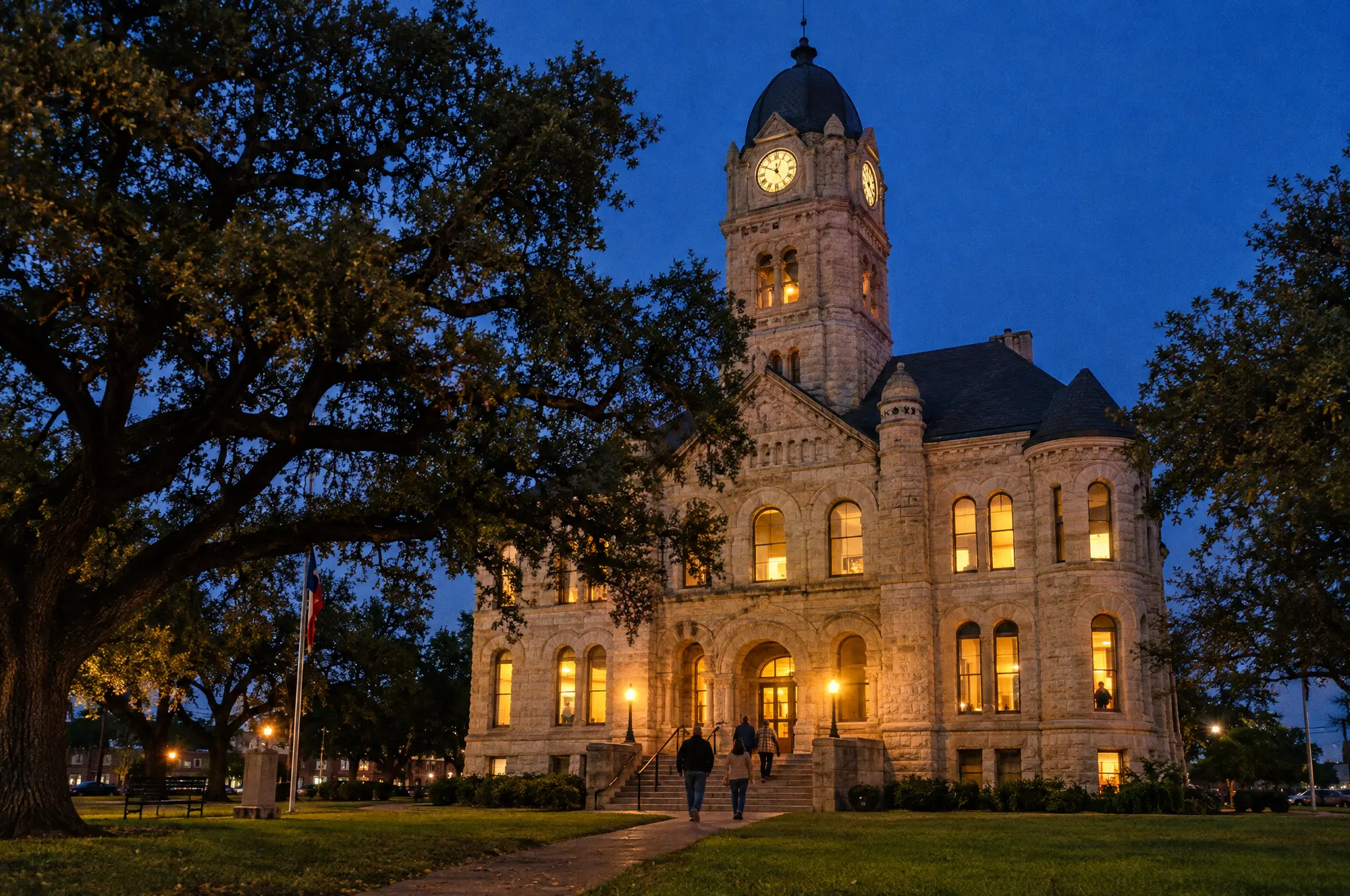
How do you campaign for a judicial race in Texas?
Texas elects most of its judges in partisan elections, and since straight ticket voting ended in 2020 every judicial race must be marked individually. A judicial campaign has to build name recognition and trust deep in the ballot while staying within the Code of Judicial Conduct, which limits what judicial candidates may promise. URSA does that with streaming TV, video, slate coordination and targeted turnout.
A judge cannot promise how they will rule. So the campaign has to make voters trust who they are.
Why Judicial Races Are Different
Texas is one of the few states that elects judges in partisan elections: district judges, county court at law and probate judges, justices of the peace, and the appellate courts. On a long November ballot, a judicial race can be dozens of lines below the top of the ticket.
Since Texas ended straight ticket voting in 2020, voters who want to support a party's judges have to find and mark each race. Many skip them. Telling supporters exactly which races to look for, and making each name familiar before they get there, is most of the work.
Judicial candidates are also bound by the Texas Code of Judicial Conduct and the state's judicial campaign finance rules. They cannot make pledges about how they would decide cases. The message is about experience, temperament, fairness and character, and it has to be told well.
What Works in Judicial Campaigns
Video that shows character
Voters decide whether they trust a judge in seconds. Real footage of the candidate, their background and the people who know them does that better than any slogan. See campaign video production.
Slate campaigns
When several judges run together, shared production, data and media stretch every dollar and teach voters the whole slate at once.
Find the race on the ballot
Sample ballots and "look for us" messages that tell supporters where each race is, delivered by P2P, mail and digital.
Humor, carefully
A well made parody can earn attention no ad can buy, as long as it stays within judicial ethics.
Streaming TV by household
Streaming TV to likely voters in the judicial district, so a countywide race is not paying for the whole media market.
Turnout for supporters
Persuasion scripts and a daily early vote scrub, so the voters who already agree actually mark the race.
Judicial Campaign Work
Spots and a parody produced for Texas judges.

Judge Chris Morales
Local Election Streaming TV
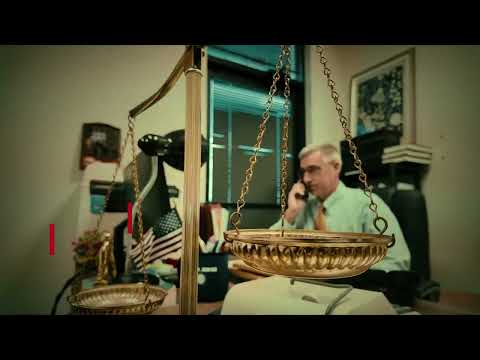
Office Parody for Fort Bend County Judges
An Office parody produced for the Fort Bend County judges campaign.

Fort Bend County Judges Campaign Video
Campaign video for the Fort Bend County judges.

Fort Bend County Judges Campaign
Local Political Campaigns on Streaming TV

Fort Bend County Judges Campaign Video
Campaign video for the Fort Bend County judges.
Are judges elected in Texas?
Yes. Texas elects most judges, including district judges, county court at law judges, justices of the peace and appellate judges, in partisan elections.
What can a judicial candidate say in a campaign?
Texas judicial candidates are bound by the Code of Judicial Conduct, which bars pledges or promises about how they would rule on cases or issues likely to come before the court. Campaigns focus on qualifications, experience, temperament and character. Candidates should review their messaging with counsel.
What is a judicial slate campaign?
A slate campaign promotes several judicial candidates together, usually from the same party or court system. Sharing production, voter data and media lets each candidate reach more voters for the same budget.
Why do voters skip judicial races?
Judicial races appear deep in the ballot, get little coverage and, since Texas ended straight ticket voting in 2020, must be marked one by one. Voters who do not recognize a name often leave the race blank.
Keep reading.
- County ElectionsURSA helps candidates for county judge, commissioner, sheriff, constable and other county offices win partisan primaries, runoffs and general elections with precinct level targeting and subdivision issues.
- Campaign Video ProductionURSA writes, shoots and edits campaign video for streaming TV, social and public information: :15 and :30 spots, candidate stories, district explainers and parodies, with the required disclosures built in.
- Local ElectionsURSA helps candidates win county judge, commissioner, justice of the peace, judicial, city council, mayor and school board races with micro-targeting, streaming TV, P2P persuasion scripts and strategic outdoor.
Your victory starts here.
Tell us where you are running or what is on your ballot. We will show you who decides it, what moves them, and what it costs to reach them.
Schedule a Consultation