
The ballot already says tax increase. Make sure the right voters read it.
A no campaign does not have to convince anyone it is a tax. It has to reach the tax-sensitive voters, give each one the argument that is true for them, and get them to the bottom of the ballot.
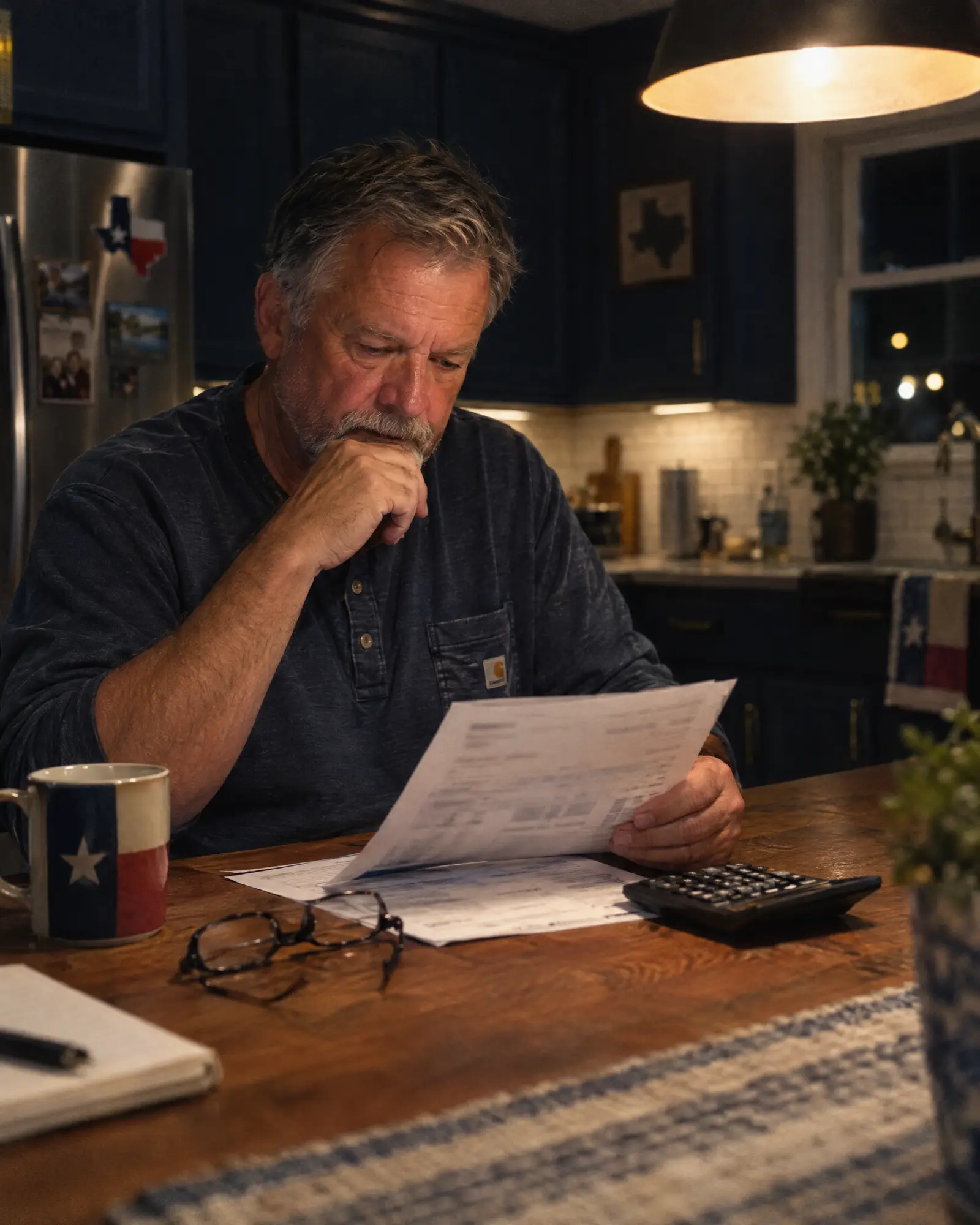
How do you defeat a school bond election in Texas?
Use the district's own numbers: the ballot language, the principal and interest, the debt it already carries and its budget. Give homeowners their annual cost, give seniors the debt and accountability case, write to commercial and multifamily owners about their exposure, and turn out tax-sensitive voters who might otherwise skip the propositions. URSA runs these campaigns for privately funded committees opposing school bonds and tax rate increases.
We do not have to convince anyone it is a tax increase. The ballot says so in capital letters.
What Moves No Voters
The words on the ballot
Bond propositions state their amount and that taxes will repay them. Quoting the ballot is the most credible thing a no campaign can do.
The full cost, not the principal
Principal plus estimated interest, from the district's own voter information, on top of the debt it already carries.
Fix the budget first
Enrollment trends, a projected deficit or recent spending choices, from the district's adopted budget. Vote no and send back a better plan.
No on some, not all
Stadiums, pools and technology are separate propositions. Opposing the weakest ones lets voters say no without feeling they voted against schools.
Seniors hear debt, not taxes
A senior with a frozen homestead ceiling will not believe "your taxes go up". Debt, interest and accountability are the honest argument for them.
Business and multifamily owners
No homestead exemption and no ceiling. Their own dollar exposure, in a direct letter, from someone they know.
Answering the District's Case
| They say | We say |
|---|---|
| "It is only a few dollars a month." | Every month, every year, for the life of the bonds, on top of appraisal growth. Show the full repayment. |
| "The bonds will not raise the tax rate." | The ballot still says taxes will repay the debt, and the debt still has to be paid by the people who live here. |
| "Vote no and the schools suffer." | Vote no on these propositions and the board can come back with a smaller, better plan. |
| "The state underfunds us." | Then fix the budget first. Borrowing is not a budget plan. |
Illustrative. Every line is built from the district's own published figures for that election.
The No Campaign Playbook
Read the documents first
Ballot language, the voter information document, the adopted budget and the outstanding debt. The district's own numbers are the case.
Build the tax-sensitive universe
Homeowners, seniors with a ceiling, and commercial and multifamily owners from county appraisal data, matched to vote history in Culper.
One message per audience
Annual cost for homeowners, debt and accountability for seniors, rent for renters, exposure for business owners. See messaging strategy.
Tell them where to look
In November the propositions are at the bottom of a long ballot. Every piece says so.
Turn out the no voters
Streaming TV, digital and P2P to tax-sensitive likely voters, with a daily early vote scrub.
Against the bond is not against the schools.
The strongest no campaigns respect teachers and students and argue about the plan and the cost. The district itself cannot campaign for or against its own measure (Texas Election Code 255.003). Campaigns on either side are run by privately funded political committees, and every piece carries the committee's disclosure.
Vote No Campaign Work
Video we produced for the campaign against the Cypress-Fairbanks ISD propositions.

CFISD Bond Propositions, Vote No
Campaign video urging a vote against the Cypress-Fairbanks ISD propositions.
How do you vote against a school bond?
Find the bond propositions on your ballot, usually near the end, and mark against on each one you oppose. Each proposition is decided separately, so voters can oppose some and support others.
Why are there several school bond propositions?
Texas requires certain projects, such as stadiums, natatoriums and other recreational facilities, performing arts facilities, teacher housing and technology equipment, to be separate propositions, so voters can decide on each.
What happens if a school bond fails?
The district cannot issue those bonds. It can revise the plan and call another election on a later election date.
Can a PAC oppose a school bond in Texas?
Yes. A specific-purpose political committee can oppose bond propositions with private funds, as long as it files its reports and carries the required political advertising disclosure.
Keep reading.
- School District Bond ElectionsURSA runs campaigns for and against Texas school district bond propositions and tax rate elections, with property tax calculators, CAD based targeting, senior tax ceiling messaging and daily early vote scrubs.
- Passing a School BondThe URSA playbook for committees supporting a Texas school bond or tax rate election: the project list, the real cost per home, the senior tax ceiling, parents and staff, and turnout.
- Tax Rate Elections (VATRE)URSA runs campaigns on Texas voter approval tax rate elections for school districts, cities, counties and special districts, built on the ballot language, the real cost per property and CAD parcel data.
Your victory starts here.
Tell us where you are running or what is on your ballot. We will show you who decides it, what moves them, and what it costs to reach them.
Schedule a Consultation